Geography and Structure
Räfvåla/Saxdalen is an elongated village, measuring about 5 kilometers from north to south. Due to the village's area, it is natural that it is divided into several neighborhoods such as Norrbyn, Mellanbyn, Sörbyn, Malbacken and Nävbacken. Räfvåla/Saxdalen has also served as the nearest central location for a number of surrounding smaller villages such as Björnhyttan, with Saxberget, Olsjön, Långfallsgruvan, Rusbodarna, Gammalbodarna and Västra and Norra Låsberget.
Economy
What did the village population do for a living around 1930? There were about 15 farms at the time, whose owners supported themselves entirely by farming, raising livestock and forestry, all on their own land. In addition, there were a large number of so-called smallholder farms in the village. They were smaller farms, with enough land to feed one or two cows. The wife on the farm took care of the chores in the cottage and barn, while the man worked outside the home, for example in the mining industry or in forestry.
At this time, there were plenty of cows and horses in the village. Cowbells tinkled as the cows were driven to graze in pastures on Saxberget and in other forest areas. In the evenings, the cows trudged home to their home farms with milk-filled udders. On Saxberget, several farms had so-called slogars, where meadow hay was cut, which was used as winter feed for the animals. Through slogars and mule grazing, the slogars and pastures were kept open. In the spring, those fields offered a breathtaking sight with the ground strewn with white sedges and with the view down towards the village and Väsmansdalen shimmering through the thin foliage.
The horse was widely used as a draft animal, both in agriculture and for forest drives in winter.
The village had its own mining industry through the Saxbergsgruvan mine, which employed around 100 people. The company provided official housing for some of these, such as for the mine bailiff, electrician and some miners up at the mine. In two barracks at Nävbacken there were a total of 8 apartments. Finally, there were official housing for the site manager, chamberlain, foreman, chemist and driver on company land in the village, where the mine office was also located. The majority of employees lived in their own properties in the village, including in the above-mentioned smallholder home. There were no rental properties or separate bachelor barracks. However, it was not uncommon for young families without their own homes in particular to rent out cottages "up there" for a fabulously low rent, perhaps 10-15 kronor/month.
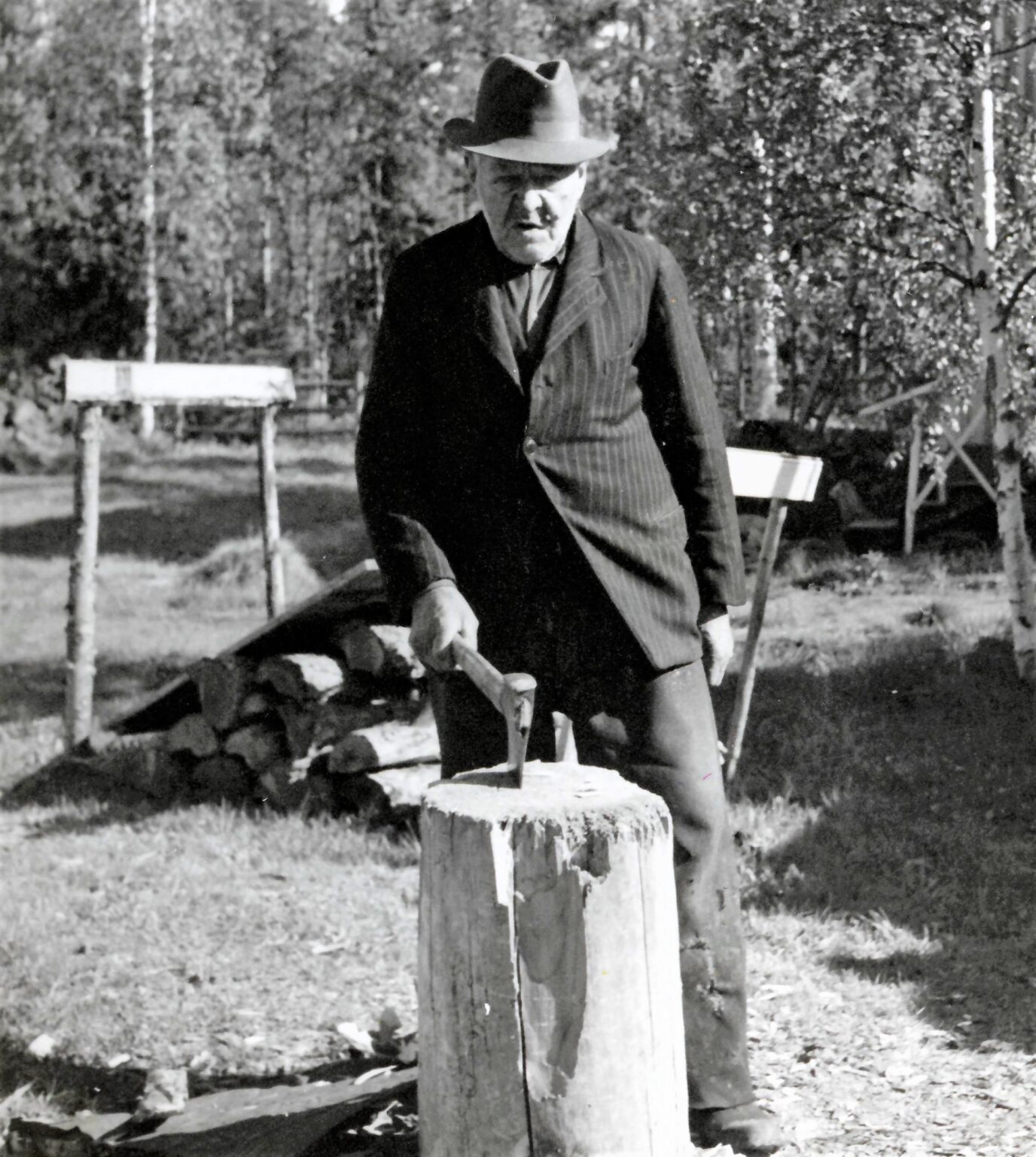
The village was surrounded by large areas of forest, which is why many people were also employed in forestry work. At this time, almost all houses in the village were heated by wood fires. Therefore, chopping and transporting firewood provided a lot of employment.
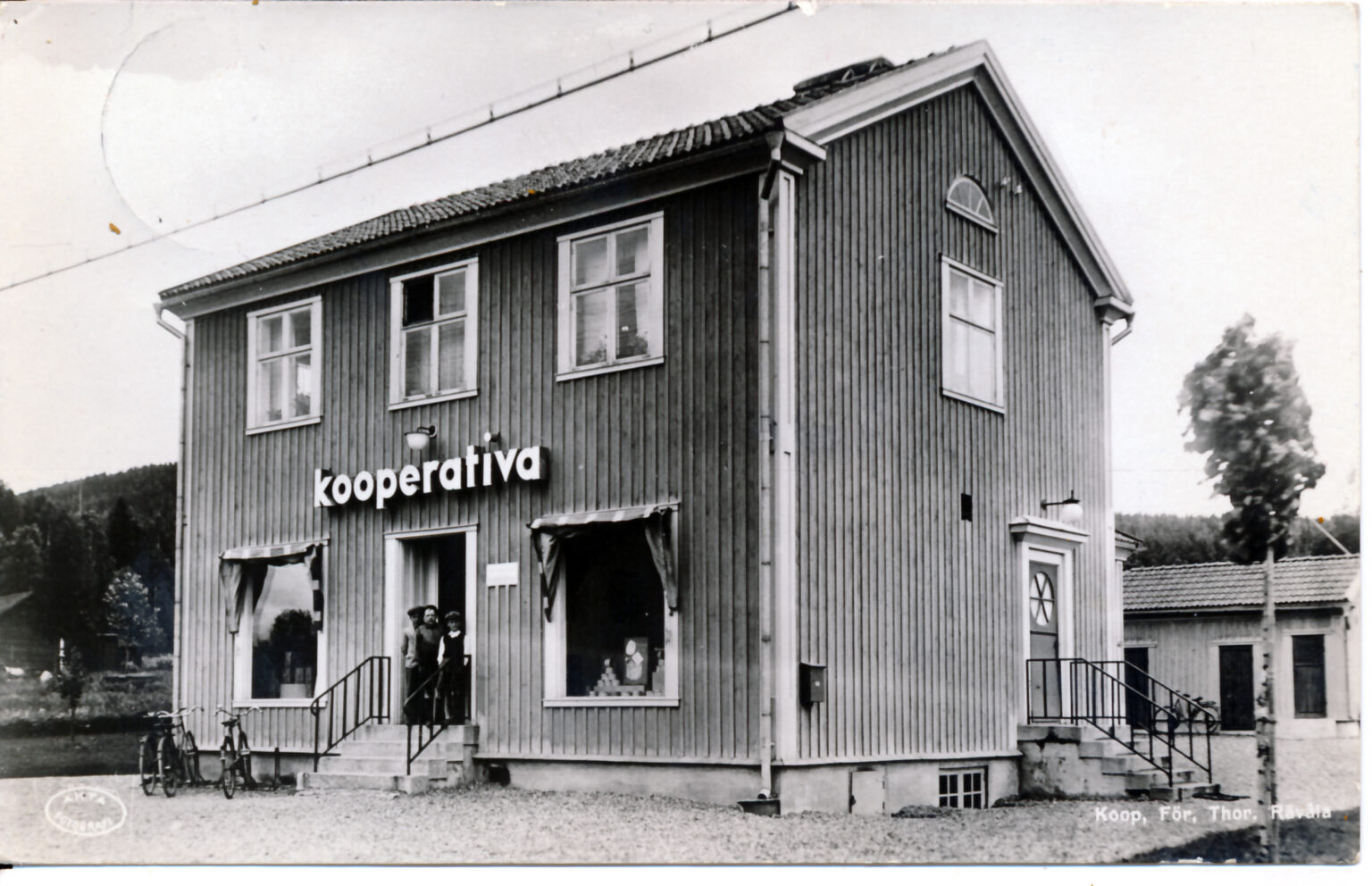
In 1930, there were no fewer than 5 grocery stores in Räfvåla, each serving its own part of the village. Karlströms had its clientele in Norrbyn, on Nävbacken and in Olsjön. Emil Johnssons dominated in Mellanbyn. The cooperative association Thor, Harald Runnberg and Karl-Erik Persson shared the customers in Sörbyn, on Malbacken and in Björnhyttan.
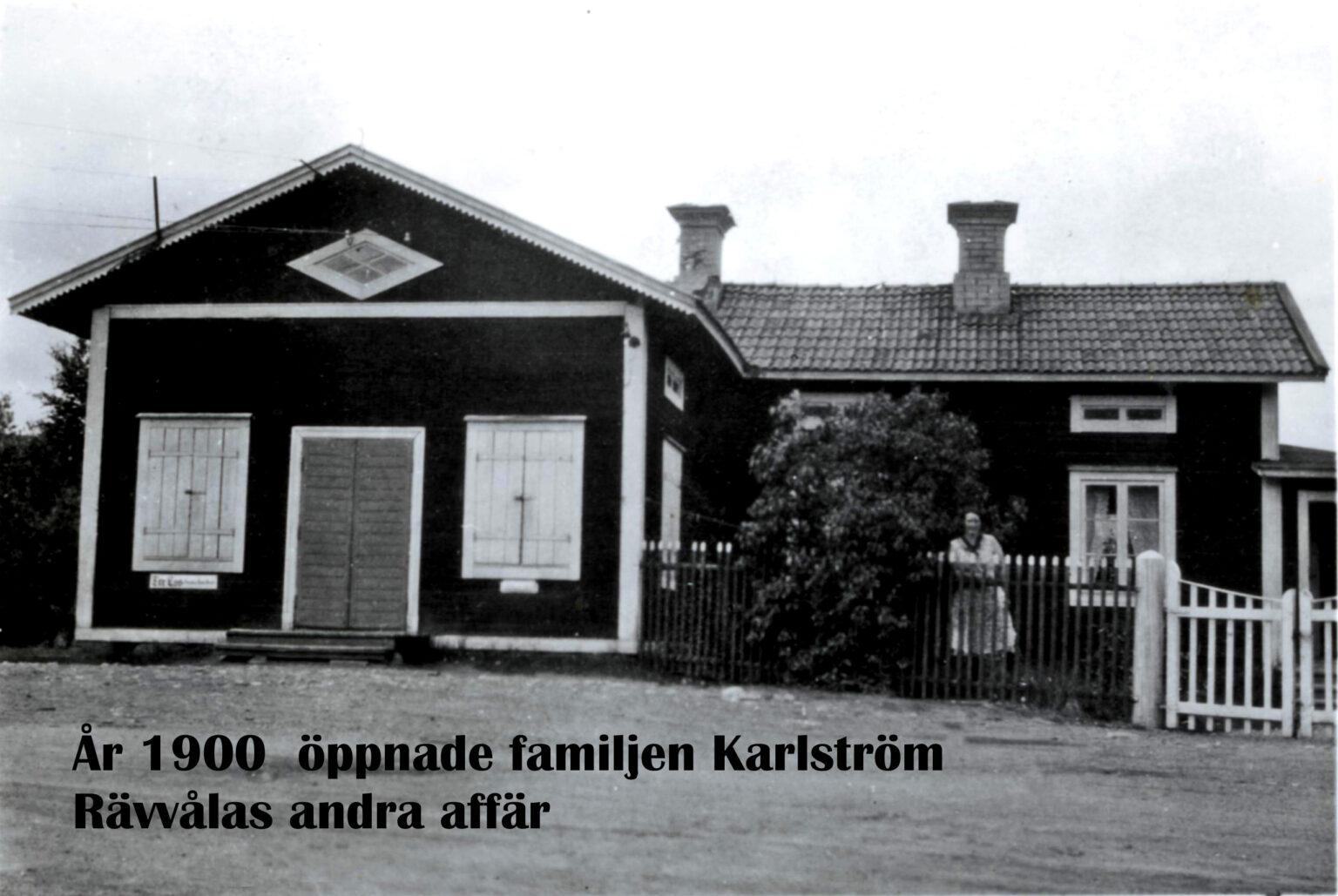
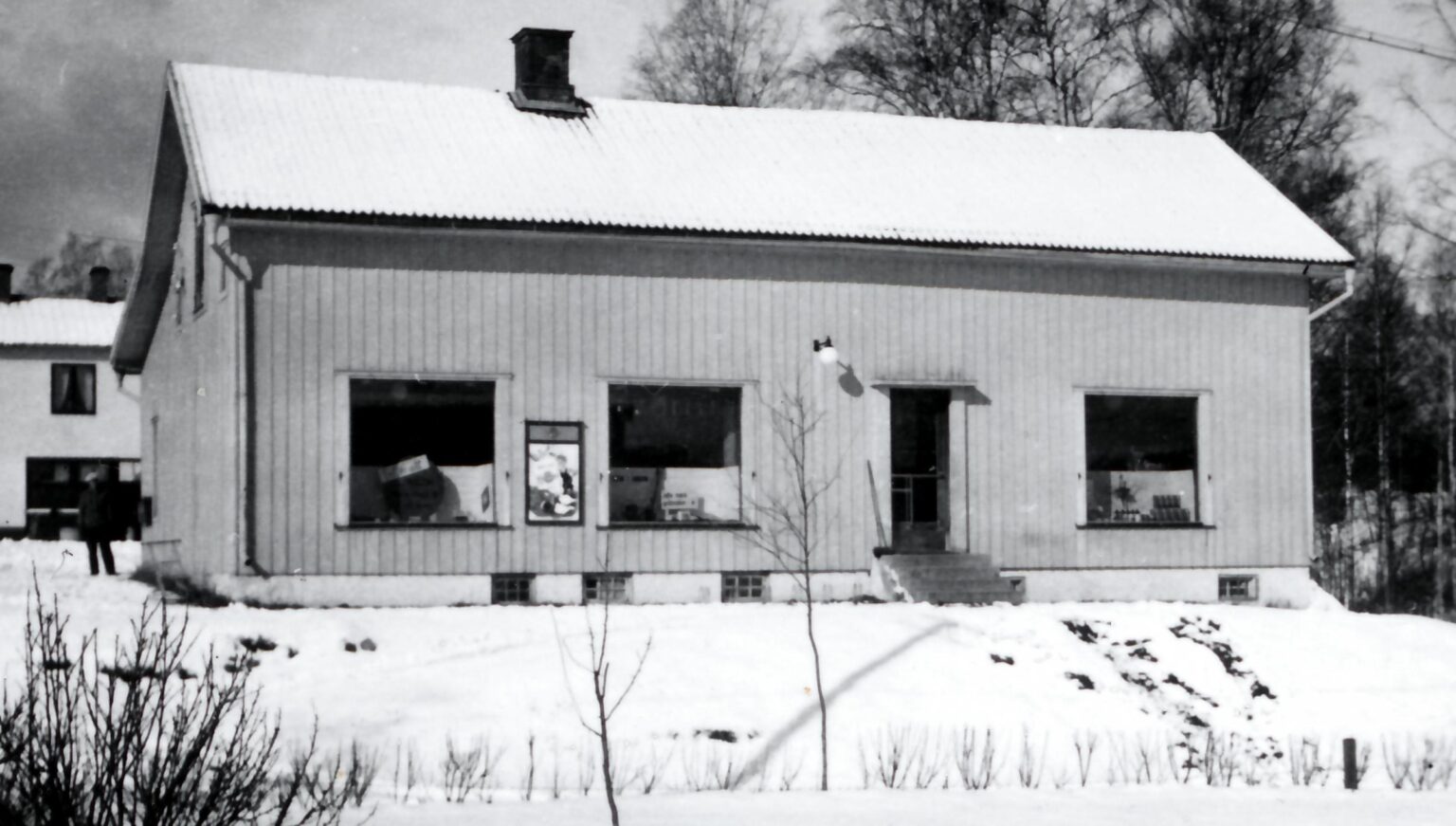
At this time, all shops had a counter that separated the customers from the stock. If the shop was full of customers, you had to keep track of your order. All sales were made over the counter. The clerks had to run back and forth all day long to retrieve the goods and quantities that the customer ordered. Flour, groats, granulated sugar, macaroni, syrup, soap and much more were sold in bulk and had to be weighed into paper bags or containers. The scale with its different kilo weights was widely used. Paper bags, wrapping paper and strings were major consumables in a grocery store. Customers shopped largely on credit. Purchases were recorded in a so-called Contrabok for each time, and payments were made once a month or at other times according to circumstances. However, from the beginning, the cooperatives had opted for the cash system.
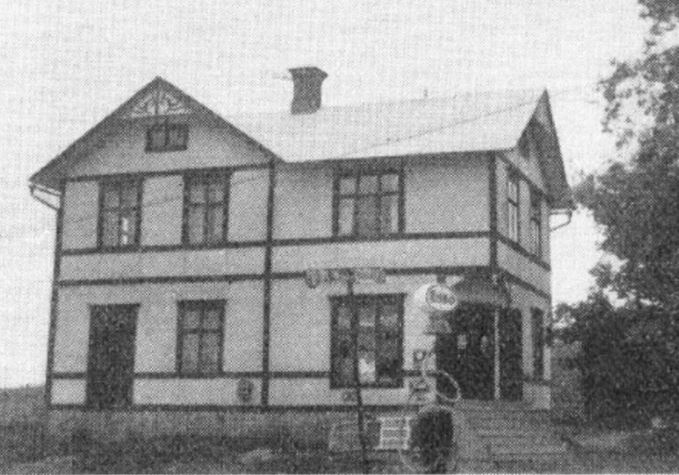
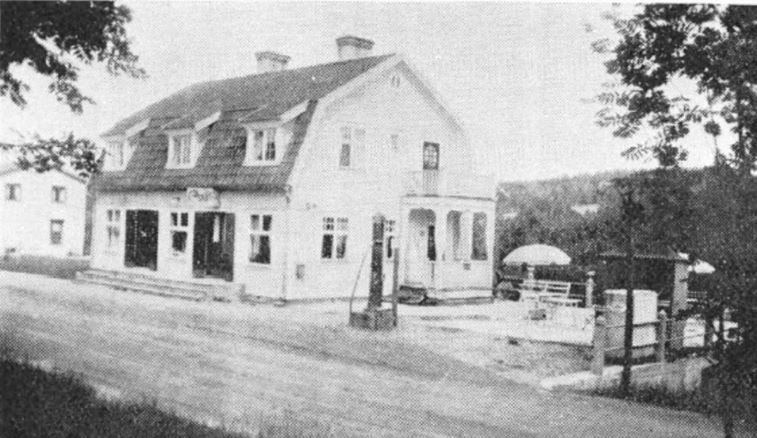
There was no milk to be bought in the shops at that time. Instead, every household without its own cows had to buy its milk daily from a farm or smallholder farm. There were so many cows in the village that it was self-sufficient in milk. Whole meat and fish were also usually not available in the shops. Instead, these sales were carried out by itinerant traders who drove their goods around in cars. One in the meat business was Harald Runnberg, who also dealt in slaughtering. The other was "Blötbergsslaktarn", whose name was Bratt. In the fish business, Axel Andersson from Ludvika was well known. He had a competitor named Borg.
Once a week, the "drinks driver" also came, providing weak drinks, pilsners and soft drinks. Weak drinks, which were a common mealtime drink in the 1930s, were sold in 5- or 10-liter glass bottles in wooden baskets.
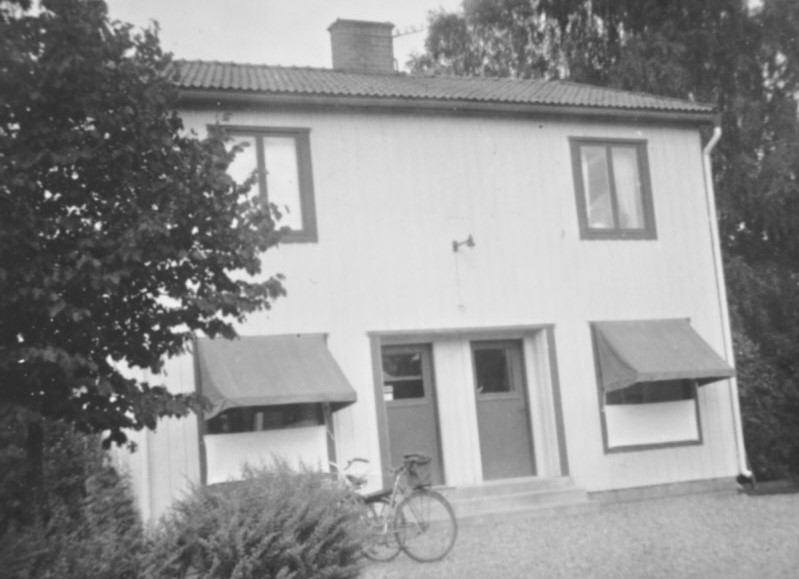
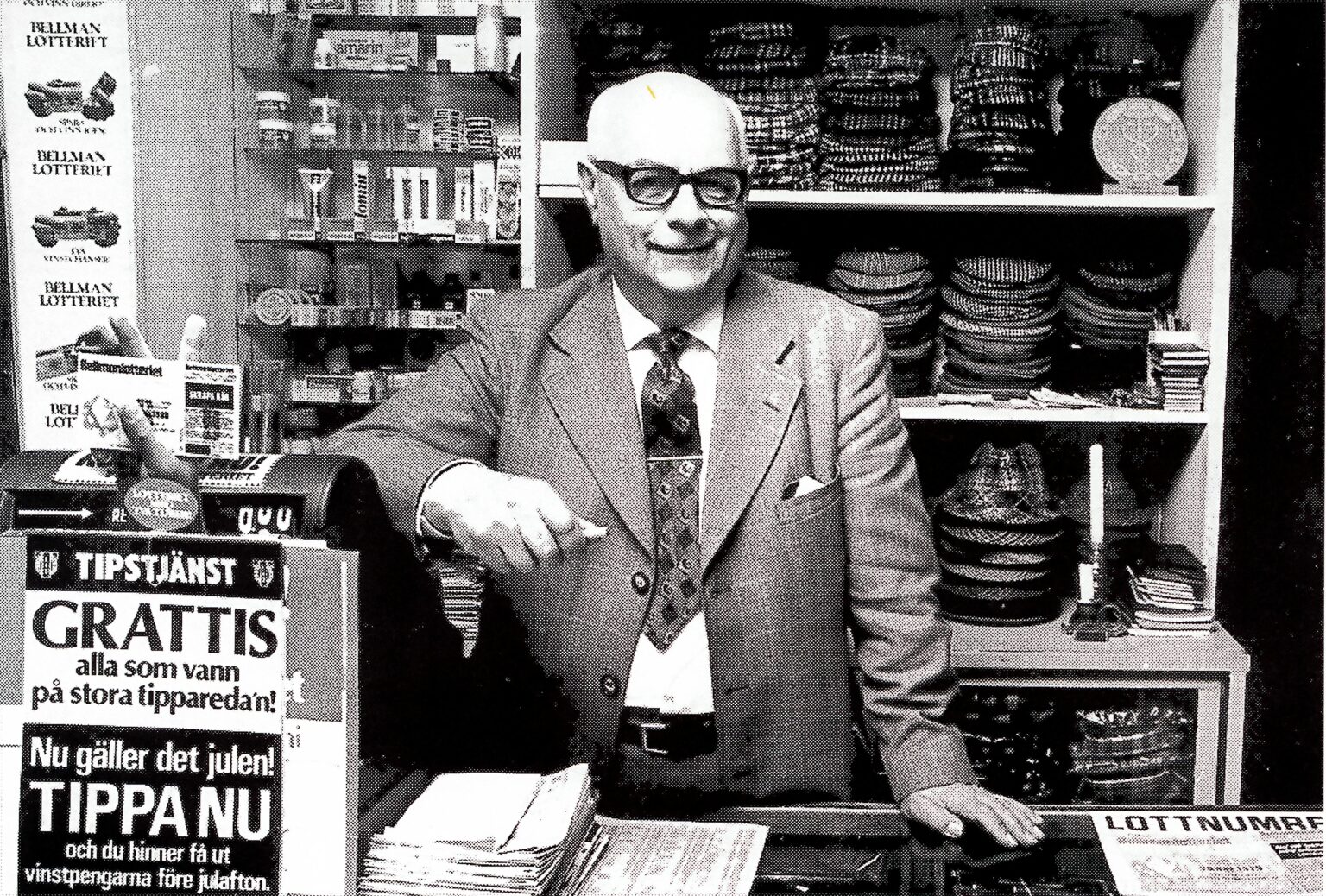
In addition to the five grocery and miscellaneous stores, there was a men's clothing store in the village, J Elis Runnberg, the house was built in 1936. For a time, toys were also sold here.
During the 1930s, a bicycle and sports shop was also added.
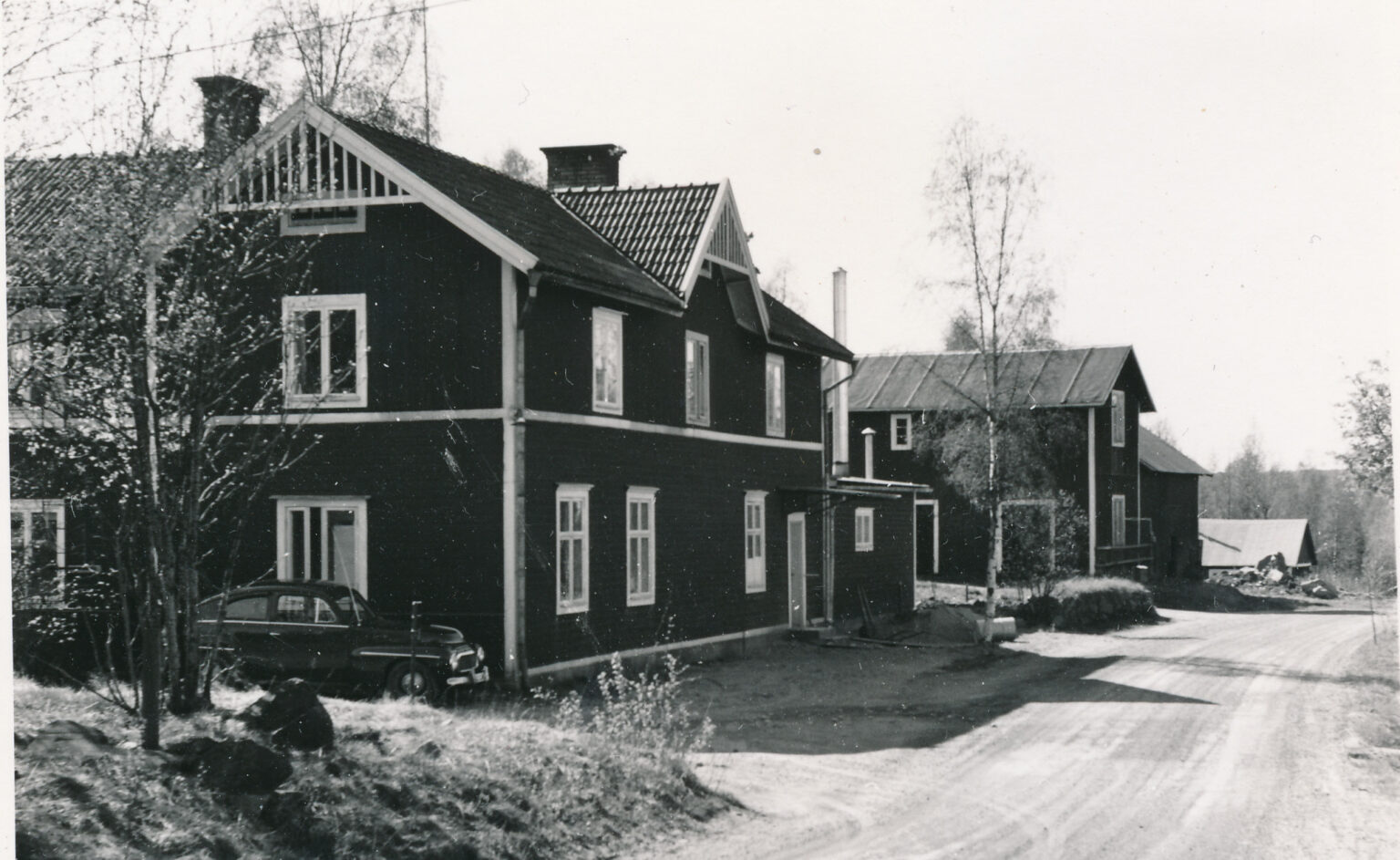
Emil Nilsson's bakery was another workplace in the village. Here bread was baked for sale in the surrounding villages. The bakery's product "Bergslagsskorpor" was no less famous. The bakery also operated a pastry shop and café. At that time, coconut balls cost 5 öre each. Nilsson's Bakery also sold petrol from a pump by the road. There were a couple of other cafés in the village. The most frequented was undoubtedly "Annas Café" below Gubbas Berg. The village's young people, mostly teenagers, liked to gather here during their free time, and Annas Café functioned as something of a village heating cabin.
Karl-Erik Persson also ran a café business in his commercial property on the corner of the thoroughfare and Malbacksvägen.
Farm trade was fully permitted at this time and flourished widely. Näskullor sold embroidered bags, hats and mittens and fine fabrics. So-called thread-nosers came with whisks and carrot coasters. Very well-known were Arvid Björk. "Plusken", who sold socks and underwear, and "Sandudd-Oskar" with sausage and cheese.
The village had a saddler, a seamstress, "Finn-Johanna", a tinsmith, "Bleck Kalle", a watchmaker, "Seg-Fredrik", a couple of shoemakers, painters and carpenters. There was a skilled carpenter in Olsjön. His name was Karl Fredrik Säflund.
Telephone
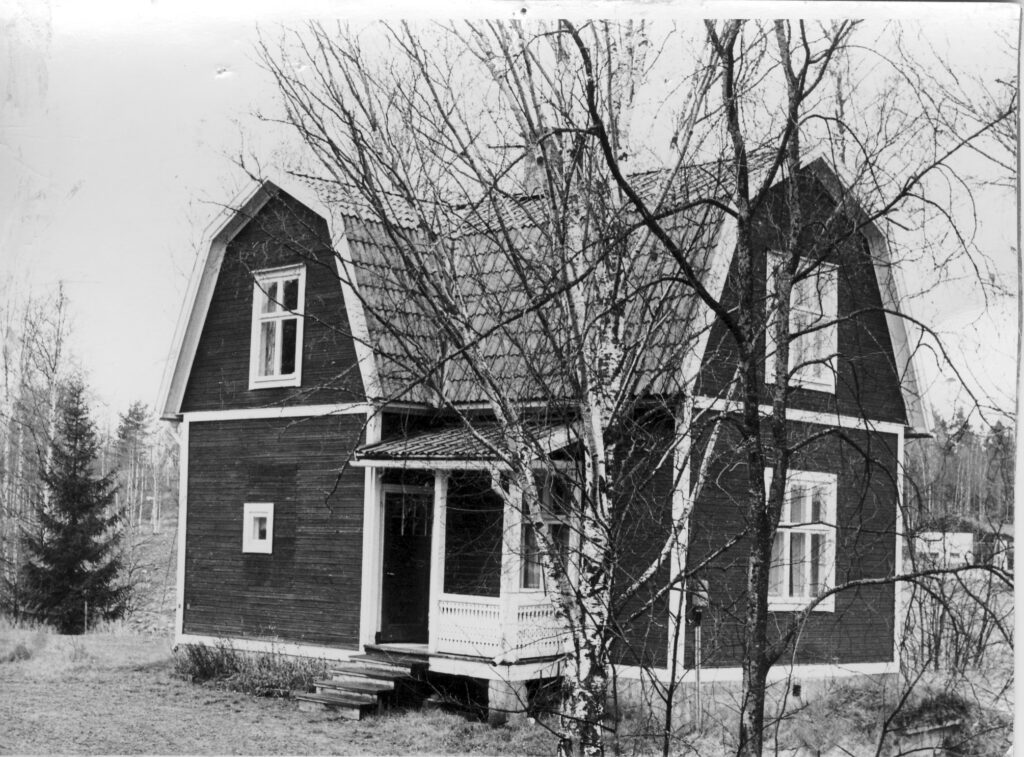
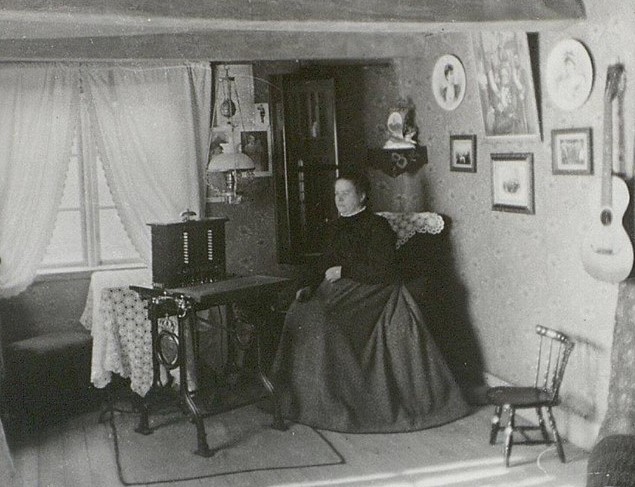
Built in 1921, the Räfvåla telephone exchange was housed in one of the mining company's residential buildings, and the exchange was managed by Mrs. Anna Lööv.
The exchange was not open 24 hours a day then, but on weekdays from 8 to 20. On Sundays and holidays, it was open only a few hours in the middle of the day.
Each telephone set featured a magneto generator. When a user turned the crank, it sent an electrical pulse to a drop-indicator on Mrs. Lööv’s switchboard, signaling her to "plug in" and connect the call.
Post
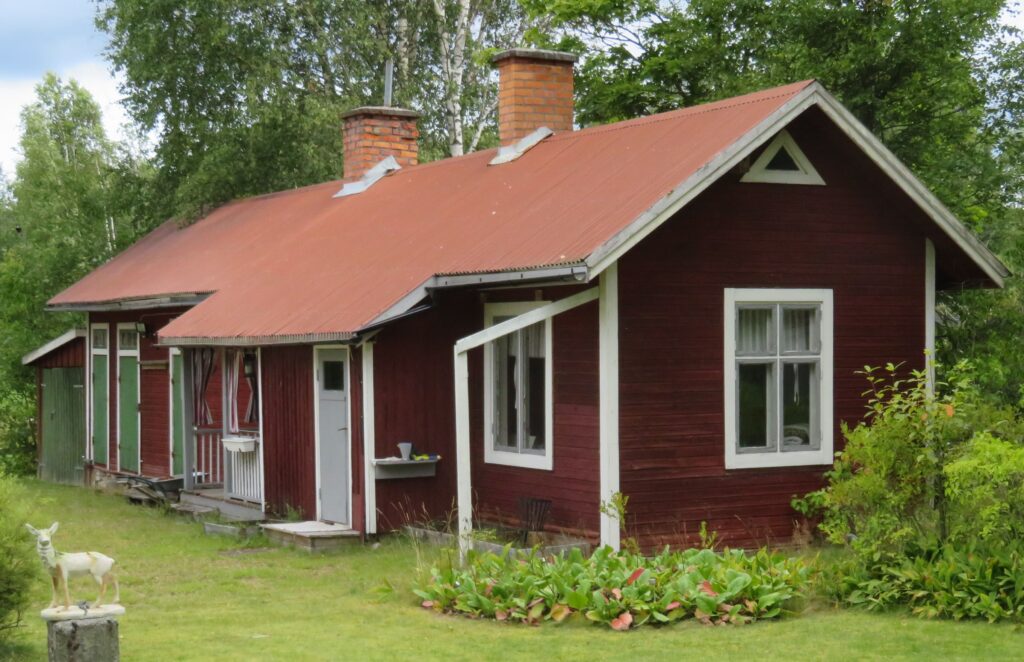
Räfvåla had its own post office. The postmaster was the primary school teacher Gustav Örnqvist, and the post office was located on Örnqvist's farm, housed in an outbuilding along the current Oxbrovägen. Outgoing mail was driven on weekdays in the morning to Grängesberg, summer and winter, by horse-drawn vehicle. The mailman was Gustav Stenkvist, and later also Anders Gustaf Persson Wettercrantz. In the afternoon, they returned with incoming mail. It was sorted by Gustav Örnqvist or his son Georg into compartments inside the post office. There was no mail delivery then. Each household had to pick up their mail at the post office.
Transportation
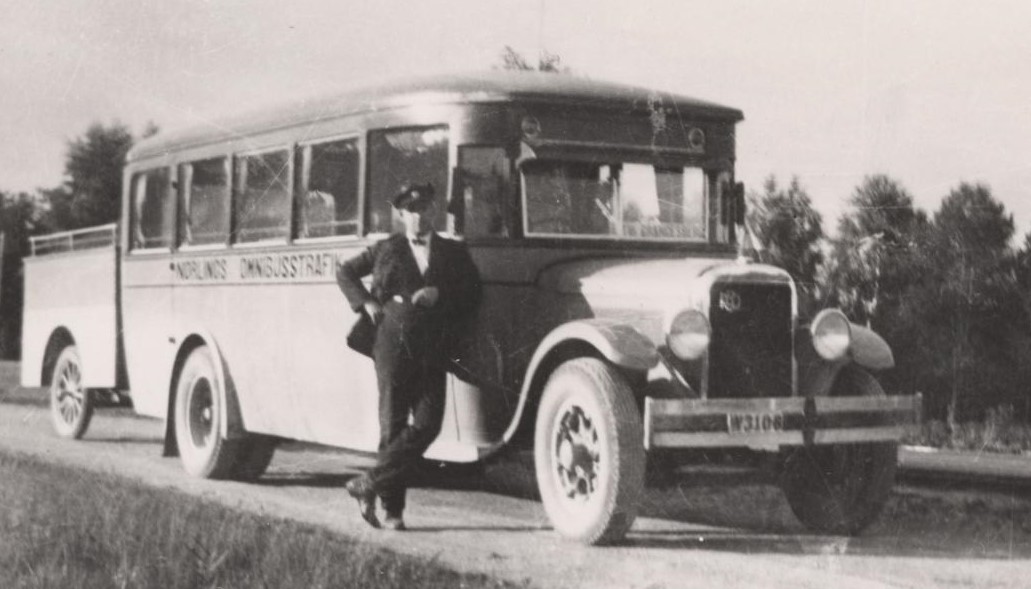
Räfvåla never had a railway. If you were to travel by train, you had to go to one of the nearest railway stations, Björnhyttan, Grängesberg or Ludvika. However, the village had regular bus connections to the surrounding area. Alfred Norling's bus company in Ludvika was responsible for that traffic. Two to three times a day you could travel to Grängesberg-Ludvika and back. There were just as many trips to Sunnansjö, Grangärde and Nyhammar.
The village's only cab company was run by Valfrid Eriksson ("Sme-Valle"), who was hired for trips when the bus was not suitable. But you could also arrange a trip with one of the village's very few car owners.
Education
As far as the school was concerned, Räfvåla was well ahead of its time. The last schoolhouse built in 1915 contained 6 large classrooms. The number of children in the village was also large in 1930, so the school type was A-school for a long series of years. One teacher per class division and admission of beginners every year.
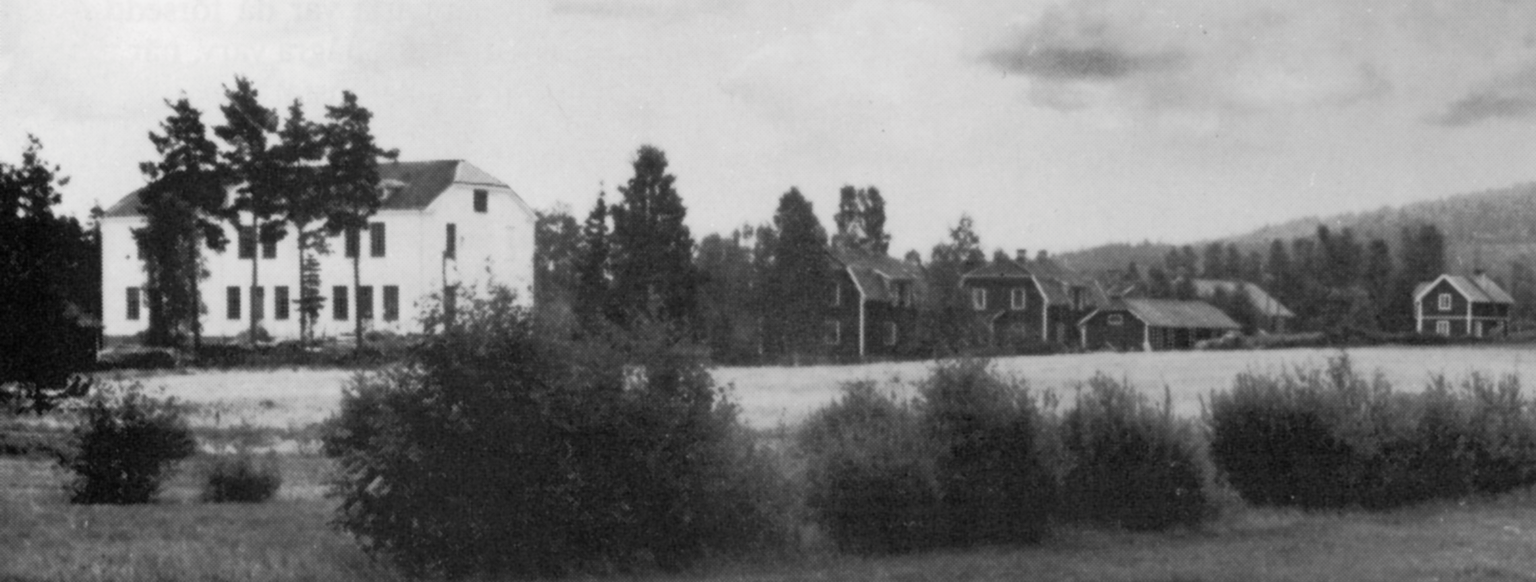
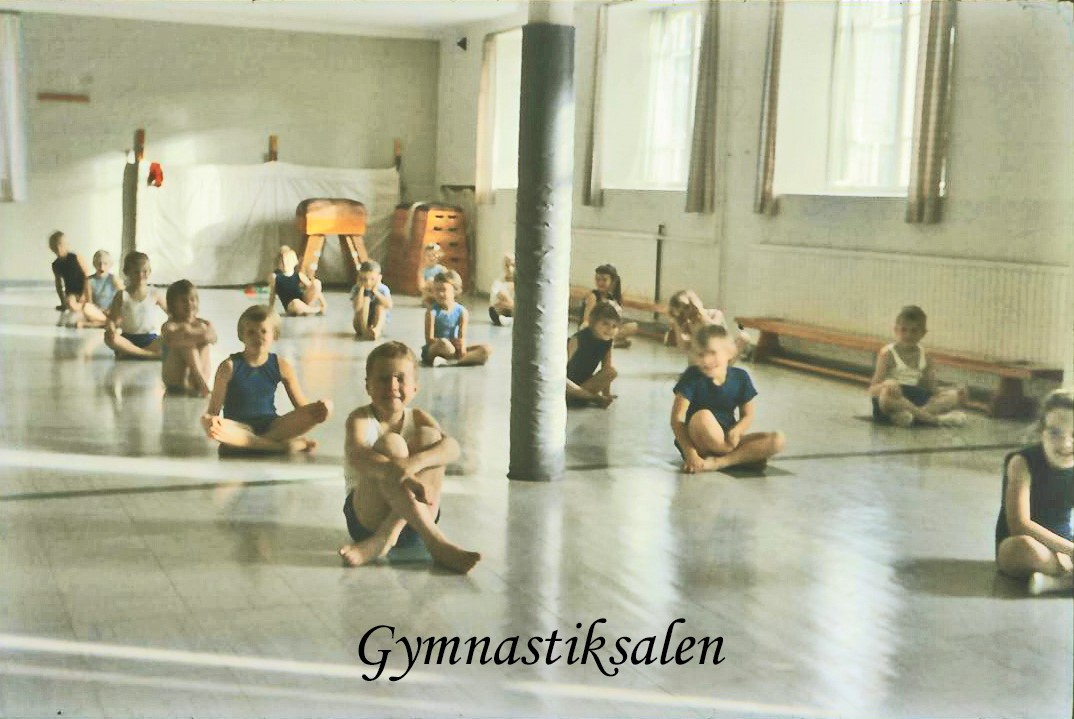
The schoolhouse was also equipped with a special gymnasium and even a swimming section for school swimming, something that was quite unusual for schoolhouses of that time.
There was no provision for children to eat, except for a couple of years during the crisis in the early 1930s. Children who had too long a walk to school to make it home and back for lunch had to carry a packed lunch in a backpack or bag. The packed lunch was eaten on a bench in the corridor.
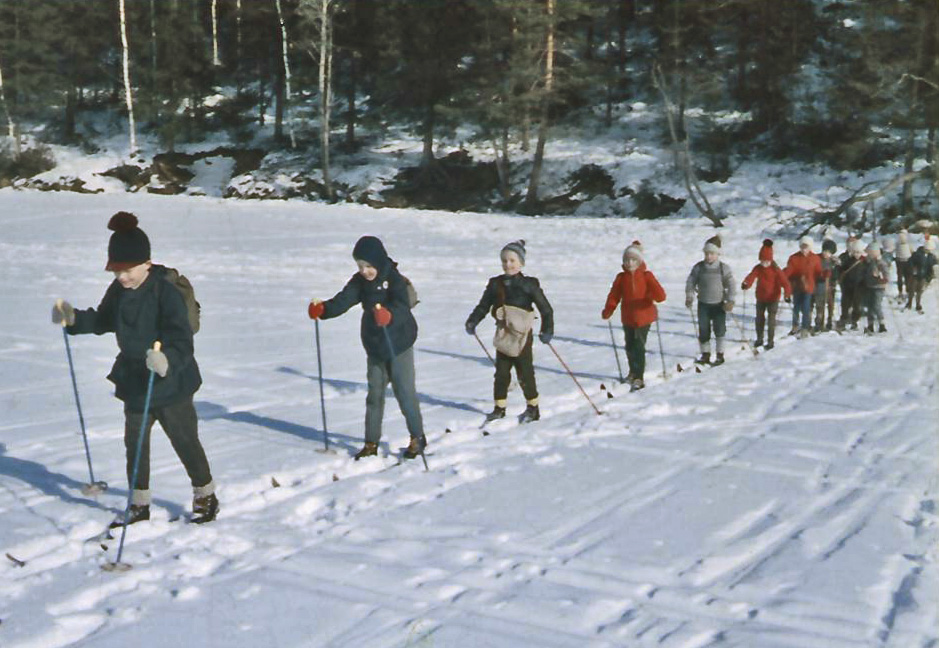
There were no school buses at this time either. Even children who had to walk 4-5 kilometers to school had to walk to and from school. In winter, boys mostly used skis, while girls often rode kick scooters. These means of transport were also used extensively during breaks. During the short breaks, which lasted 15 minutes, they had time to ski the so-called 1 kilometer around Uppegård's field or, at best, the 2 kilometers up towards Klossdammen. Especially during the lunch break, they tried out the ski slopes in the Oxbrobäcken valley south of the school. There were slopes of several levels of difficulty, from beginner slopes to those where you had to be extra bold and skilled to manage standing.
Especially during lunch break, it was popular for the scooter riders to ride Oxbrobacken on the road below the school. But you had to watch out for the 12 bus, which always came during that break.
When there was bare ground, boys kicked football during the short breaks. It was a privilege for the boys in the 5th and 6th grades, who played against each other. The school was then 6 years old. For the boys in the lower grades, other sports were the norm. They played ball, knife and something called påltskolla.
Girls in all classes played ball against the school's outer walls. The best ball walls were used by the oldest girls, while the younger ones had to make do with what was left over. School trips were often arranged for the graduating classes, which lasted a week or so and were often to Stockholm and Uppsala. For many students, it was their first visit to the Royal Capital and the city of learning, Uppsala.
Religious Life
From Räfvåla it was 11/2 miles to the parish church in Grangärde. Therefore, in 1902, one of the classrooms in the then-built schoolhouse was set up so that it could also be used as a church hall. After another schoolhouse was built in 1915, this church hall was no longer needed for school teaching. Therefore, in the late 1920s, it was able to be restored and equipped specifically for church service use. The hall was equipped with an altar table, altar ring, pulpit and a large organ harmonium. The latter had a hand pump for the air bellows, and it was part of the school caretaker's duties to pump the bellows during church services. The organ player was the teacher August Åhlström, who also had his official residence in the same building where the church hall was housed.
Here in the church hall, services were held approximately every other Sunday, mainly during the winter months, and with the participation of one of the parish priests. For a few years in the mid-1920s, a residence for one of the parish's church assistants had been rented at Storfarsgården in Räfvåla.
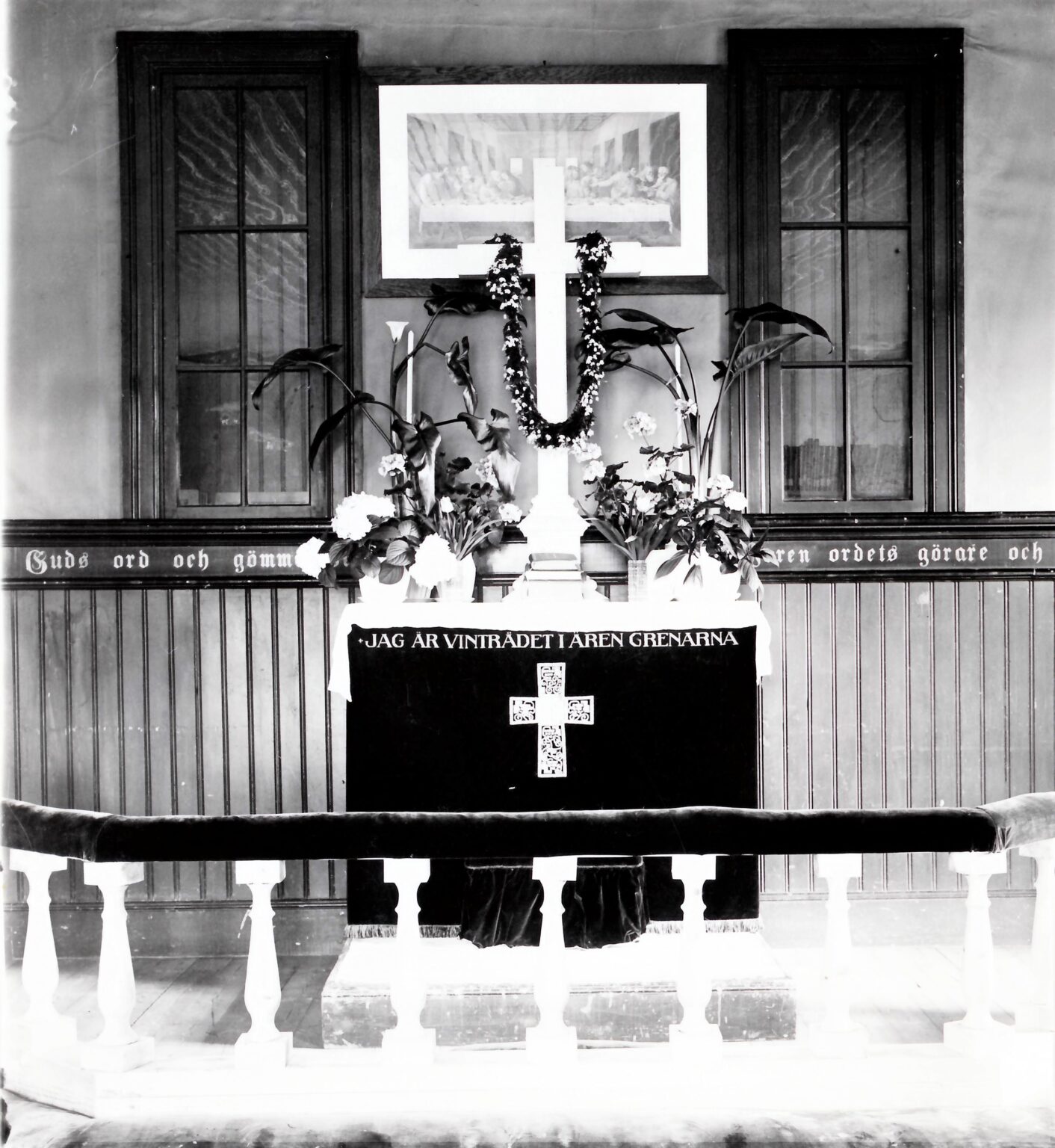
If the regular church services were not particularly well attended, the situation was different at the Christmas parties held on Christmas morning. Then the church hall was always full. The participation of the choir led by August Åhlström contributed to the Christmas atmosphere. Along the street up from the old highway, marshals made by Åhlström and the school's caretaker shone. The mining company provided used tar, which was soaked in tar and kerosene.
In the early 1930s, Sunday school was held in the church hall. It was held every Sunday during the winter months and used to end in early summer with a popular bus trip to a suitable excursion destination.
Confirmation readings for children who had finished school during the previous school year were also held in the church hall. The confirmation final exams were also held there, while the confirmation candidates' first communion took place in Grangärde Church, usually on Whitsunday.
The free religious communities also operated in Räfvåla. At Stenbacken there was a mission house, which was owned by the Helgelseförbundet, and which was rented out for meetings in other communities as well. Methodists, Baptists and Pentecostals also had meetings here. In the summer, open-air meetings were also held, for example at the Nya Dammen bathing area, where baptisms also took place.
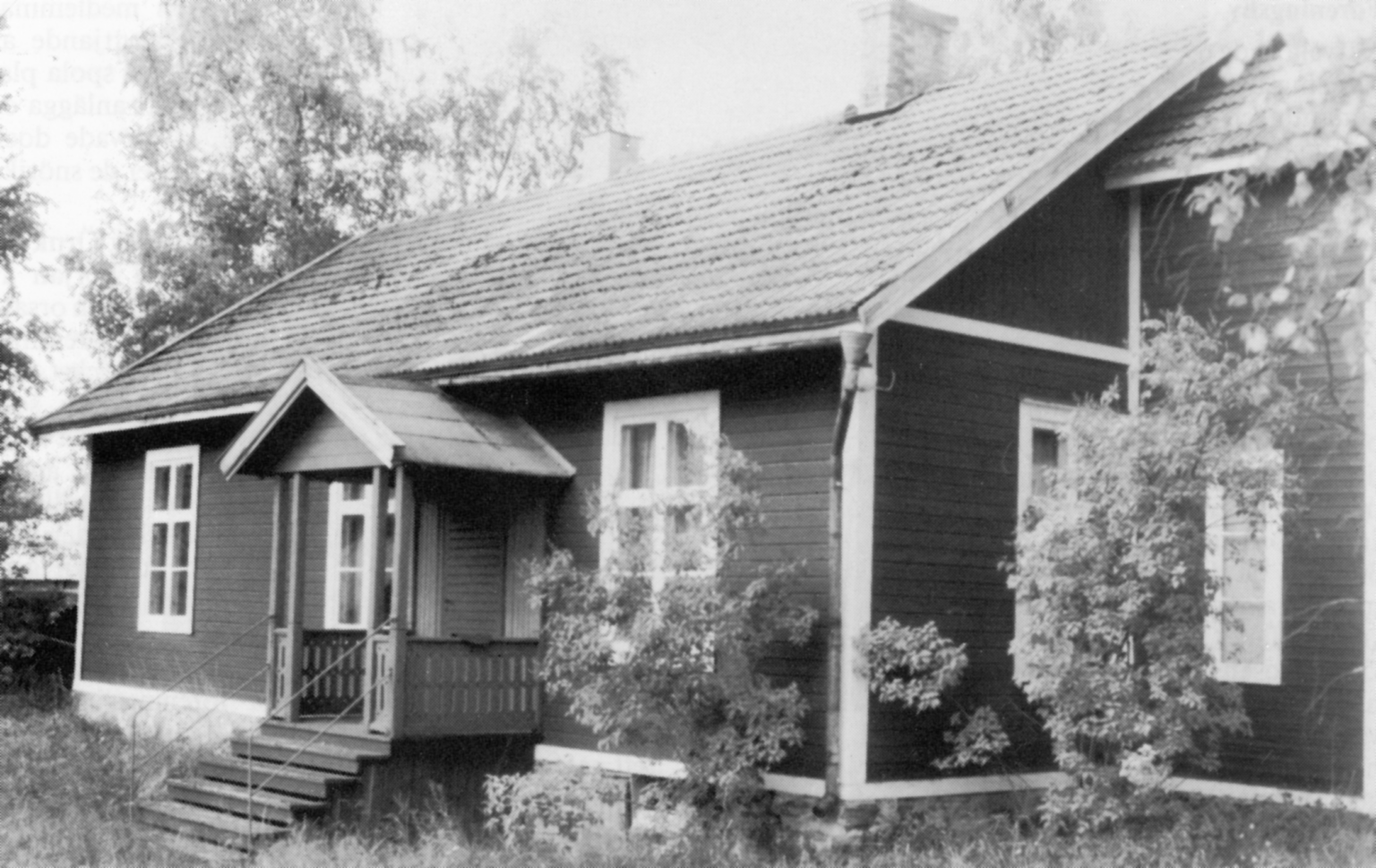
Here too, in the Mission House, a Sunday school was run, and in collaboration between four denominations. The Sunday school teachers were Rut Berg, Daniel Trygg, Kalle Jakobsson and a man named Forsblom. For a time in the early 1930s, the Methodists also ran a so-called junior activity with, among other things, various hobby works. At that time, they also held classes in a private member's residence.
Mrs. Rut Berg also handled the caretaker's duties in the Mission House, where a caretaker's residence was housed. Mrs. Berg, who was a widow and lived in poor circumstances, nevertheless made herself known as a very generous and helpful woman. Among other things, she had taken on the task of offering a foster home for two orphaned boys, who had to share the home with her own son.
Healthcare
There has never been a hospital or doctor in Räfvåla/Saxdalen. If you needed medical care, you had to go first to the hospitals in Sunnansjö or Grängesberg, where there were provincial doctors. In Sunnansjö the doctor was called Yngve Florén, in Grängesberg CG Sundell, the latter a very colorful and talked-about personality.
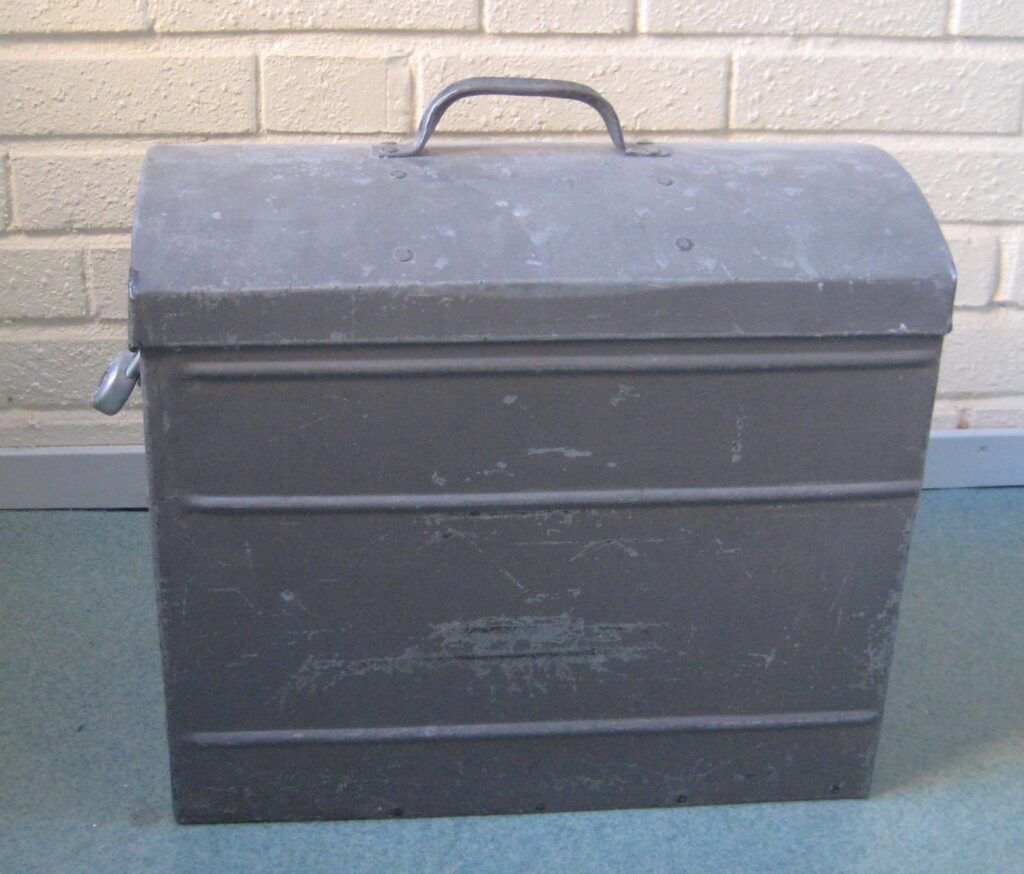
The nearest pharmacy was in Sunnansjö. However, a small supply of basic medicines and dressing materials was available in the village cooperative shop. Prescriptions could also be handed in there, which were forwarded to the pharmacy in Sunnansjö. A metal suitcase was shuttled by bus between the Kooperativa in Räfvåla and the pharmacy in Sunnansjö. After the return shipment in the suitcase, the ordered medicine could be redeemed at the Kooperativa shop.
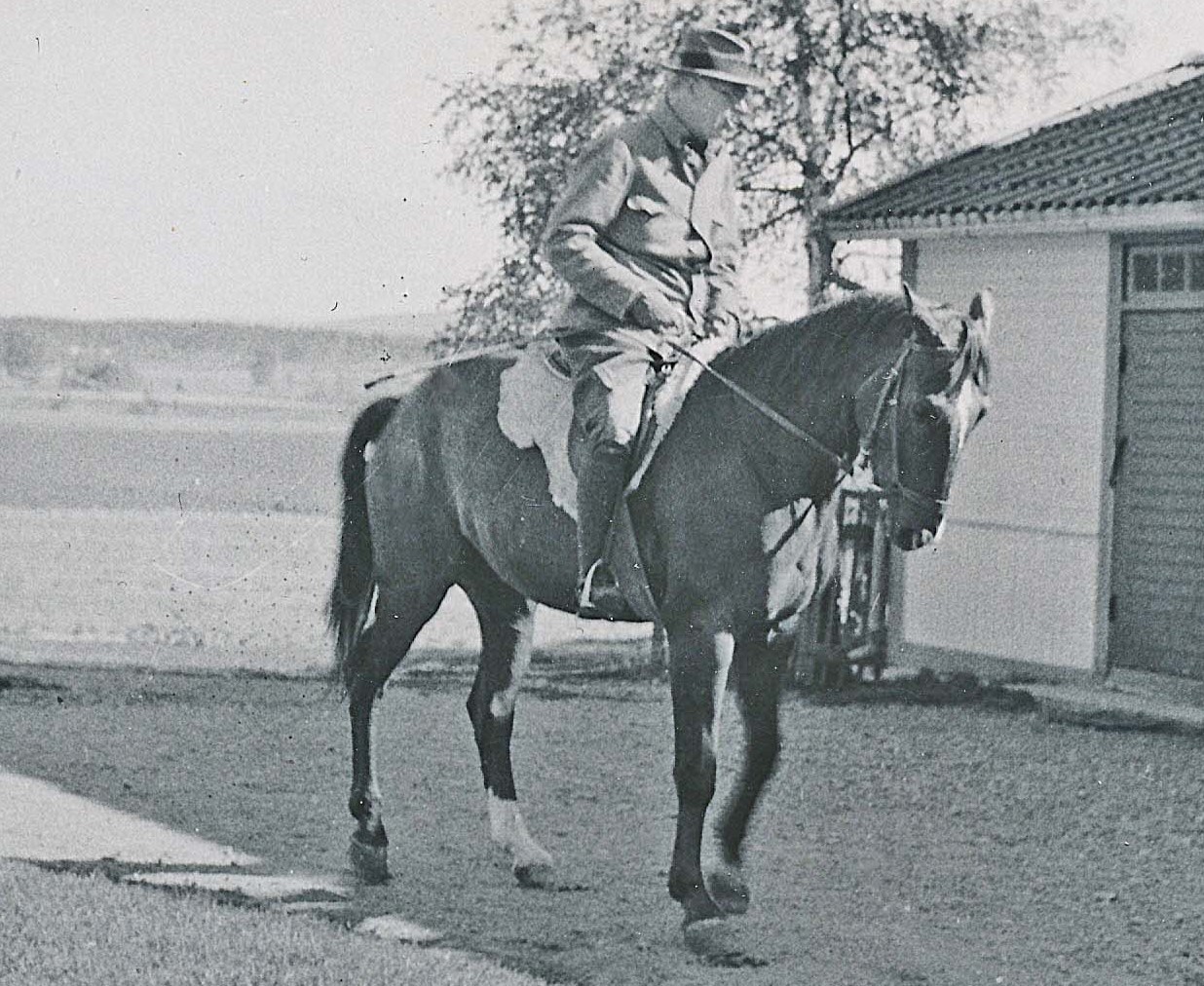
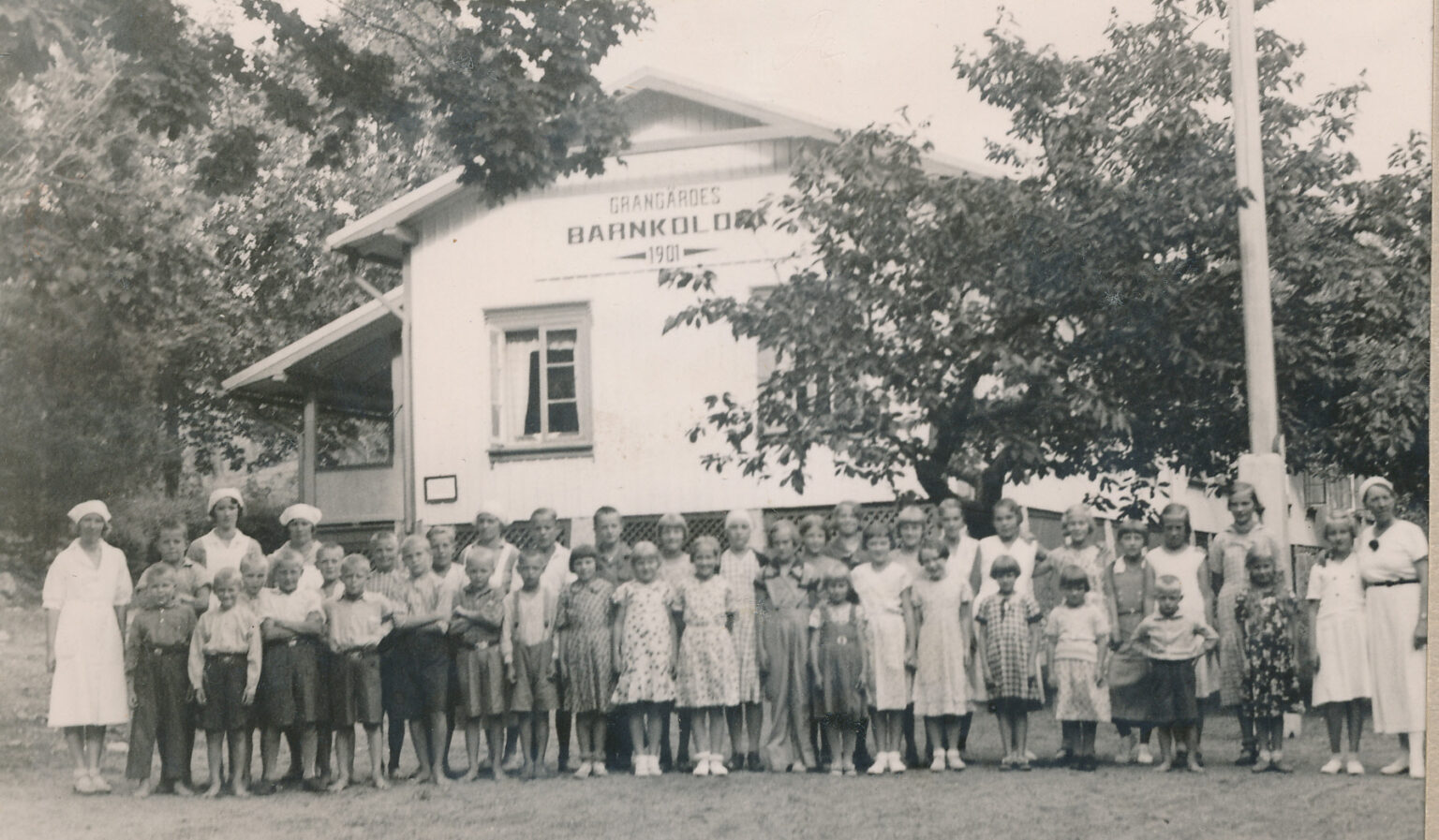
However, a midwife was stationed in the village. Her name was Greta Andersson. In 1932, however, a maternity ward was added to the newly built infirmary in Grängesberg. As a result, home births became less common. During the summer, Greta Andersson also served as the director of the Grängesberg School Holiday Camp Association's summer camp on Öddö outside Strömstad.
Children from Räfvåla were also allowed to spend the summer at the colony that Grangärde municipality ran on Öddö. The provincial doctor in Sunnansjö was involved in selecting the children who were allowed to come to the colony. The stay in the colony was considered strengthening and was primarily reserved for weaker children and those where, for example, TB had occurred in the family. The stay in the colony then covered almost the entire summer vacation. The journeys to and from Strömstad were by train.
Community Life
In the 1930s, Räfvåla had a rich association life for the size of the community. There was a social democratic workers' commune, a branch of the Swedish Union of Unions for Social Democrats (SSU), the Building Association for the People's House and Park, and a branch of the Swedish Mining Workers' Union. A sports club had existed since 1924, as well as a folk dance group. The IOGT's temperance lodge was called "Förgät mig ej" (Don't Forget Me) and had a youth lodge called "Morgonstjärnan" (Morning Star). The lodge had its own order house.

In the early 1930s, a NOV lodge for youth was added, led by the FH caretaker Ernfrid Hedström. A cooperative women's guild should also be mentioned in the village's association flora, and a church sewing association operated in connection with the Räfvåla church hall. The village also had a lecture society, which used the church hall as a lecture venue.
The sports club had a golden period in the early 1930s, when its football team was particularly effective with several good players. "Nybon's" Gösta Jakobsson in goal, Tage Örnqvist on the pitch, Sixten Örnqvist and Gösta Rosen as spearheads in the chain to name a few. The football pitch used was a very dusty sand field at Tallheden below the school, especially in dry weather. The land had been leased by the mining company.
In the early 1930s, a board was built around the entire football field. A strong storm had knocked down a large number of timber trees in the mining company's forest. Since many of the sports club members were unemployed at the time, the sports club offered to use its own members to salvage the storm-fallen timber, transport it to the company's sawmill at the mine, and saw it to the quantities and dimensions needed for the board construction. The advent of the board benefited the sports club's finances, as no spectator could avoid paying the entrance fee anymore.
By the mid-1930s, the village had also gained a volunteer fire department. Several of the sports club members enrolled in the fire department. Using the fire department's hose material, the field could be flushed over a couple of winters, thus creating a much-appreciated bandy court. However, it also required a lot of work with snow removal during the snowy winters.
The village youth lodge, which had Georg Örnqvist as its leader, also experienced a period of glory in the early 1930s. This boom had a somewhat peculiar reason. In the autumn of 1930, a mining family moved into the village. The family had 5 children, three of whom were very cute and lively girls, all of school age. The girls, who quickly became very popular, soon joined the youth lodge. This resulted in many other children and young people joining the lodge. Everyone wanted to be friends with the popular girls. When the aforementioned family moved out of the village again after a couple of years, everything returned to normal. Imagine the joy that lasts forever!
The old Folkets Hus, which was located on Gubbas Berg, was a great asset for the association life. It housed a large hall with a stage and stands, a B-hall and a café, and on the upper floor a caretaker's residence. The Ordenshuset, which was of a smaller format, was also rented out to some extent for meetings for external associations.
The folk dance group was formed around 1930 on the initiative of the pharmacist in Sunnansjö. The dance group performed mostly in the summer, the first time at a festival at the old festival site at Nya Dammen. Around 1929-30 the new Folkparken was built next to Folkets Hus, and then the performances were moved there. But the folk dance group also arranged other open-air festivals such as at the old farm Tors-Karis and at the Rönninga common by Lake Saxen.
The old party place at Nya Dammen is worth a short description of its own. An idyllic party place had been created there with a dance floor, shooting range, kiosk and coffee service. The latter was located on a small island in the pond, and a graceful wooden bridge led to it.
The lecture society arranged a number of lectures in the Church Hall during the winter months each year. The lectures were mostly held on Saturday evenings, because it was the only evening of the week when there was no shift work at the mine, and therefore everyone was off work. Many learned and notable people lectured here, professor of medicine Louis Backman, chemist Ivan Bolin, amanuense Nils Ambolt (participant in Sven Hedin's expeditions), author Ture Nerman, actor Halvar Falk to name a few. And of course, most popular of all, the research traveler Sten Bergman. A popular feature of the lectures were the skiopticon pictures, which most lecturers used to illustrate their lectures. The entrance fee at this time was 35 öre for adults and 10 öre for children.
Entertainment and amusements in the early 1930s were largely influenced by the general living conditions that prevailed at the time. A deep recession with high unemployment prevailed. The general holiday consisted of only a few days at midsummer. Car-borne youth was an unknown concept. The bicycle was the means of transportation that was available. This limited the radius of action.
Before 1930, summer parties were organized at the old party site at Nya Dammen.
At some such summer festival, which was jointly arranged by several associations in the village, there was also a carnival procession, which went through the village with cars and horse-drawn vehicles. The procession ended at the festival site.
The parties also provided an opportunity for the organizing associations to improve their finances. Different attractions were tried out to make visitors lighter on their wallets. One example: At a party arranged by the IOGT:logen, a rowboat was driven up from Lake Saxen to Nya Dammen. For 10 öre per person, you could row a round the so-called Myrön, another small islet in the dam.
Nya Dammen was also a popular bathing spot. Something that was considered obvious at the time, but seems strange today, was that boys and girls bathed from separate shores in the pond. People spoke of "the boys' land" and "the girls' land".
When the new Folkparken was built in 1929-30 on the slope of Gubbas Berg, the kiosk and shooting range were moved from Nya Dammen to Folkparken. A new magnificent dance floor was built here as well as new spaces for serving coffee. The new Folkparken became a very beautiful facility in the scenic birch grove and was a very popular party place throughout the 1930s. Several large parties were arranged here every summer during the weekends, when dance music faded out over the village. Who does not remember "Två solröda segel", Gamle Svarten" and "Spinnrocken"? Dance music at that time was considerably more melodious than today.
The site of the former farm "Smedtorpet" on the eastern shore of Saxen was in the 1930s something of the village's "Riviera". Here were still some grassy open fields, sloping down towards the lake. On sunny summer Sundays, people would come here with a packed lunch and a gramophone, swim and have a good time. A cheap and appreciated pleasure.
In winter, Folkets Hus was of course the village's main entertainment venue. Dances were also organized here. A famous party event was "Påskskrällen", which included 3 dance evenings, the Saturday before Easter week, Maundy Thursday evening and Easter Eve. Folkets Hus Byggnadsförening was the organizer here.
Folkets Hus was also used as a cinema. At this time, in the early 1930s, there was no permanent cinema equipment here. Instead, Folkets Hus was rented for performances by external cinematographers, first Nogi Gnalin from Ludvika, later Filip Hult from Smedjebacken. They then had portable projectors with them. It was not until 1939 that the Folkets Hus Building Association took over the cinema operations, after new and permanent cinema equipment had been installed.
Final Words
So we have looked back almost 100 years in time. That's how it was then.
Cowbells and horse neighs are no longer heard. The animals have disappeared from the village. Slopes and pastures up on Saxberget have grown again. The Saxberg mine is closed. The ore remains, but mining became unprofitable. The shops are closed, the customers remain, but the shops became unprofitable. Folkpark and Folkets Hus with a cinema are closed. Folk dance groups, temperance lodges and lecture societies have all ceased. All this fills one with sadness and gives food for thought. Is all development for the better? This applies not only to Saxdalen but almost to our entire country and perhaps the entire Western world, where development is similar.
Large-scale has taken over. Demands have been raised. The increased standard of living, the increased leisure time, the car, TV and IT, all of this has fundamentally changed our way of life. The word “quality of life” was not invented in the 1930s. It is a modern word. Perhaps it contains a touch of nostalgia. Perhaps it has a certain reference to the period that is usually called “The good old days”.
All credit to Lars Ahlstrom